New Wood Fences Cup And Gap Before The Second Summer
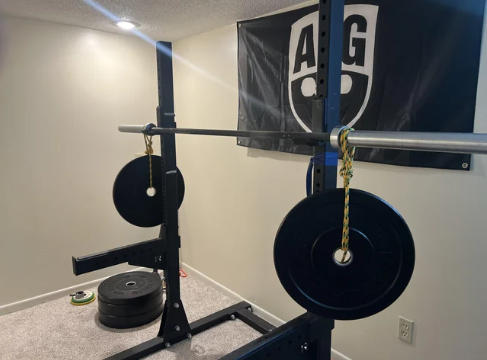
The squat rack sits on a pad of pea gravel behind the house, the mats are down, and the whole backyard gym is eleven months old. So is the pine fence wrapped around it, and if you shopped fencing orange tx last spring to buy that privacy, month twelve is where the trouble shows: picket edges curling up, thin bars of daylight between boards, and a clear view from the street straight into your morning sets. What follows is field notes on why a new wood fence moves like that, and what actually holds one flat. Very little of it is workmanship in the way people use that word. It is the wood, and the schedule it gets built and sealed on.
Green Lumber Keeps Moving After Installation
A fresh pine picket pulled off a yard rack can carry 25 to 30 percent moisture. On a west-facing line in Orange, that same board spends its first year drifting down toward local equilibrium, somewhere near 12 percent for most of the calendar. Losing that water is not a gentle process. Wood shrinks roughly twice as much across the growth rings as it does along them, so a flat-sawn picket pulls its edges toward the bark side and stands its middle up. That is cupping, and no fastener pattern stops it once the board decides to go. Think of a fighter cutting water weight in the four days before a weigh-in: the mass leaves fast, it leaves unevenly, and the shape that walks out is not the shape that walked in. Job after job, the pickets that cup worst are the ones that felt heaviest on delivery day.
Kiln-dried stock has already done most of that shrinking indoors, under heat, on somebody else’s rack. Graded, dried boards cost more per piece and they are boring on installation day, which is the entire point. Read the band stamp before the bundle comes off the truck, and pick up a few boards yourself; green pine feels wet and heavy in a way that is hard to miss once you have handled dry stock.
Month Three Is When Gaps Appear
The first week, a new fence looks like the picture in the estimate. Boards are tight, the top line is straight, and nothing has been asked of it yet. By week three, the sun-side boards have taken their first real drying cycle and a few fasteners sit slightly proud. Around month three, usually deep into the first stretch of hard afternoon heat, the gaps open enough that you notice them from the patio instead of from two feet away. By the following August the pattern is set: sun-side pickets cupped and gapped, shade-side pickets mostly flat, one obvious line where the two conditions meet. Nothing failed. The wood simply did what wet wood does, on the timeline it always keeps.
An eighth of an inch off the width of one board is nothing at all. Spread across the roughly 260 pickets in a 120 foot run, it is a lot of new daylight, and it lands right where a privacy fence is supposed to earn its money. Ask any fencing orange tx bidder how their boards are dried and what moisture content they install at, and write the answer down. A contractor who has never thought about the question will say the boards are fine.
Sealing Early Beats Sealing After Cupping
Orange gets something close to 60 inches of rain a year, and a fence out here does not dry once and settle. It soaks, dries, soaks again, and every cycle works the board a little further out of flat. Sealer does not waterproof anything; it slows the rate at which moisture moves in and out, which is what keeps one face from shrinking while the other stays fat. Coat all four sides of a picket plus both ends if you have the chance, because an unsealed end grain drinks water many times faster than a sealed face and that is where the cupping usually starts. Timing matters more than the brand on the can. Call it 30 days after installation. Honestly, closer to two weeks if the lumber came in properly dried, because dry boards are ready to take the finish immediately and waiting just hands the sun a free month. Sealing a fence that has already cupped locks the deformation in place, and at that point you are preserving the problem.
Board Choice Costs Less Than Rework
The argument here is simple: paying more up front for graded, properly dried lumber and sealing it on schedule costs less than replacing a fence line that cupped inside two years. Say the upgrade from yard-grade pine to a selected, kiln-dried picket runs about a dollar a board on a hypothetical quote. On that 120 foot run, the difference sits in the low hundreds. Now price a partial rework of the sun-facing half, two years on, with a crew back on site, new boards, and a fresh coat of stain, and the number is several times that even before anyone touches the posts. Same math as buying decent tires instead of budgeting for a tow.
See also: Office 2021 Lifetime : Cost, Features, and Lifetime Access
Two Years Shows Who Built It
Material costs are not helping anyone stall the decision either. NAHB’s Eye on Housing analysis of producer price data, published in July 2026, reported roofing asphalt products up 9.2 percent year over year and softwood lumber prices up 7.0 percent annually in June, which means a rebuild two summers from now will not be priced like the original. The cheaper board bought today gets more expensive every month it stays on the fence.
Two years is the honest test, and by then the fence line tells on the builder. A run that still stands flat, with tight seams and an even color across the sun side, was dried right, spaced right, and sealed before it needed to be. Ask about lumber grade, moisture content, and the sealing schedule before you sign anything, and treat vague answers as the answer. The privacy you paid for is only as good as the boards holding it up.