Four Volunteer Playground Mistakes That Turn Chips Into Crust
Two winters of Oregon rain turned an 1,800 square foot church play yard in Happy Valley into a surface the toddlers walked around instead of on. The facilities committee had topped it up twice with bagged material before anyone priced out the bulk mulch happy valley or yards deliver by the load. The lesson underneath those lost Saturdays is plain enough: fresh chips spread over a compacted, sour layer fix the color and nothing else. Stripping the old crust out and refilling with fresh playground cedar chip is what actually drains, cushions and holds up through a wet season. Four mistakes turn a decent surface into a crust, and volunteers make all four with the best intentions.
Volunteers Spread New Chips Over An Old Crust
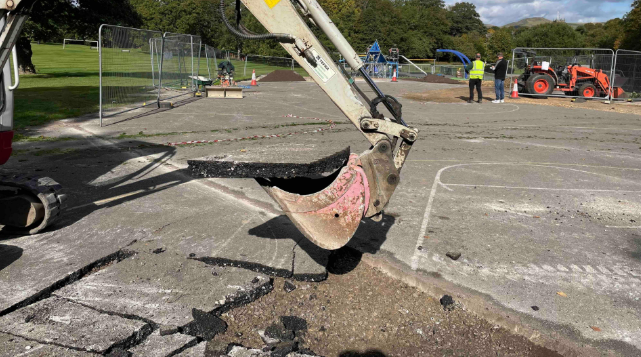
The case we see most often is a fresh layer raked straight over the old one, because that is the version of the job that fits into a single Saturday morning. Underneath, the original chips have knitted into a dense mat that water sits on rather than passes through. New material on top of that mat traps moisture against it and speeds up the sour smell the committee was trying to cover in the first place. No amount of raking talks a matted layer back into a cushion.
See also: Office 2021 Lifetime : Cost, Features, and Lifetime Access
Matted Chips Shed Water Instead Of Draining It
Bark and chip surfaces drain because there is air between the pieces. Two rainy winters, hundreds of small feet, and a few passes with a leaf blower press that air out, and the top inch becomes closer to felt than to loose fill. Water then runs to the low corner of the yard and stands there for days, which is exactly what that committee kept photographing every February. Texture is part of why it happens. Rocky Top Resources, a bulk materials yard, said in February 2026 that its fine-texture finishes, Buffalo Brown Fine and Chocolate Swirl Fine, are its top sellers on looks, while Caribou Brown Coarse is the favorite for coarse-texture landscaping work. Fine material photographs beautifully in a planting bed and mats down fast under traffic. A play yard wants the coarse end of that range, and it wants it deep.
Compacted Loose Fill Stops Cushioning Falls
Here is the part to say plainly: a matted, compacted surface no longer cushions a fall the way fresh material does. North Dakota State University Extension’s playground safety guide warns that loose-fill surfaces lose protective cushioning as they compact and get displaced, and it recommends special maintenance under swings and at slide exits, where children land hardest (your playground, safe kids). Before children use the area again, that old material has to be loosened or hauled out and the surface topped back to depth. If a child falls and hits their head, they need to be checked by a doctor, whatever the ground looked like. Required depth varies with equipment height and with local rules, so ask the equipment manufacturer and check what applies where you are instead of guessing at a number.
Questions Parents Ask Before A Resurfacing Day
Parents raise all of this at the next meeting, so it helps to have the supplier conversation finished first. Book the delivery before you schedule volunteers, not after. A handful of questions separates a real bark yard from an outfit that will drop whatever happens to be on the truck that morning.
- How much material comes on one load, and what does that cover at the depth we need? A good answer comes back in cubic yards and square feet, not in bags.
- Is the playground cedar chip screened, and is it splinter free? A good answer names the species and how it is processed.
- Do you install it, or does it get dumped in the parking lot? A good answer is either blower installation or a clear no, with no shrug in between.
- What is your lead time in January and February? A good answer is a real date range for the wet season, not an annual average.
Is Cedar Chip Safe Around Toddlers?
Cedar chip made for play areas is screened and processed to keep splinters down, which is why it turns up under school, park and daycare equipment. The safety question that matters more is depth and looseness, not species. A good material packed into a crust protects a falling child no better than bare dirt does.
How Often Does It Need Topping Up?
Plan on a walk-through every spring and a partial top-up most years, heavier under the swings and at the bottom of the slide. Traffic pushes material out of the landing zones long before the rest of the yard wears out. A full strip and refill is a several-year event, not an annual one.
Order Depth Once, Then Recheck It Every Spring
Measure the yard before calling anyone, and Google Earth’s free measure tool will get you close enough on a fenced 1,800 square foot space to order honestly. Then buy the depth once, in one delivery, instead of chasing it in bags across three springs. Budget one volunteer day for hauling the old crust out. Honestly, make it two, because the strip-out runs slower than anyone expects and the spent material still has to go somewhere. After that the yearly job is small: walk the yard in March, probe the depth in four or five spots, and refill the landing zones with fresh mulch happy valley or suppliers deliver by the yard rather than by the bag. The play surface stops being a recurring project and turns into ordinary maintenance, which is what the committee wanted all along.