An Eight Minute UPS Is Not A Backup Power Plan
A desk UPS keeps your router alive for about eight minutes. A desk UPS keeps a live stream alive for even less, which is why the browser history of a Sarasota home office fills up with electrical contractor sarasota fl after the second outage in one month. A desk UPS was never built to carry a refrigerator at all. Ninety minutes is an ordinary Florida outage, and ninety minutes is where the battery-under-the-desk theory quietly falls apart. Backup power is a sizing decision rather than a gadget purchase: you work out which hours and which circuits you cannot afford to lose, then buy the smallest system that covers them.
A UPS Buys Minutes Not Hours
A UPS is a bridge to a clean shutdown, and at that job it is excellent. Load a 1500VA unit with a streaming PC pulling 350 watts, two monitors, a capture card and a router, and the runtime chart lands somewhere around eight to twelve minutes. Add a refrigerator and the answer stops being measured in minutes at all. The battery runs out of road, everything downstream of it goes dark at once, and the outage is still three hours from over.
That is why outage number two usually ends with someone dragging a portable generator out of the garage. Running it in the garage can kill you, and leaving the door open does not change that. A portable generator belongs outdoors only, well away from windows, doors and vents, and if anyone in the house feels dizzy, sick or headachy while one is running, NYC Emergency Management’s rule is to open windows, get everyone out of the home into fresh air, and call 911.
See also: Office 2021 Lifetime : Cost, Features, and Lifetime Access
Outage Length Decides Which Backup Fits
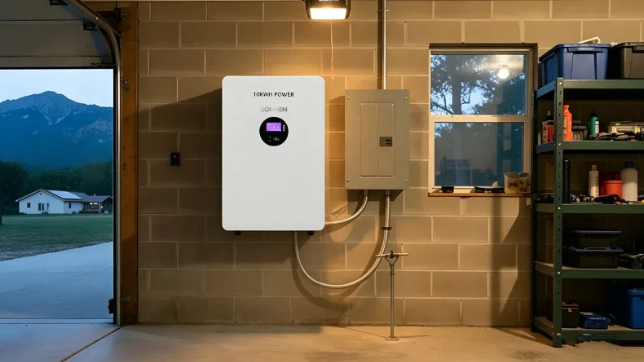
Sort your outages by length and the equipment mostly chooses itself. If last year’s worst interruption ran under an hour and nothing in the house needs cooling, a larger UPS or a lithium power station is the honest answer, and it stays quiet and safe to run indoors. Past four hours, with a refrigerator and a freezer in play, a generator wins, and the only question left is whether you want to stand in the rain to start it. Rig after rig, the same thing turns up in testing: people size for the outage they remember instead of the one that actually costs them money.
The number nobody can hand you is how long your particular feeder takes to come back. Utilities publish system-wide averages, and your street is not the system-wide average, since a lateral serving forty homes behind a stand of oaks can sit dark long after the main road is lit again. I have not found a data source that answers this at the address level, and I have looked. So keep your own log for a season and let it do the sizing.
Portable Units Come With Rules That Matter
Cord math is where portable setups quietly go wrong. A 5,500 watt unit feeding 100 feet of undersized extension cord delivers noticeably less at the far end, and the fridge compressor is the appliance that notices first. Fuel is the other constraint. A 6.5 gallon tank at half load runs roughly ten hours, which sounds generous right up until the nearest station is closed and your cans are empty, because pumps need power too.
Backfeeding a portable through a dryer outlet is the practice that gets people hurt, and it can push voltage onto lines that utility crews are working on. The legitimate version is an interlock kit or a manual transfer switch installed at the panel, which lets you power selected circuits without energizing anything outside the house. It costs a few hundred dollars and an afternoon of labor. That one change turns a noisy machine on the driveway into something you can live with for a weekend.
Standby Systems Trade Cost For Automation
A standby unit sits on a pad, runs on natural gas or propane, and starts itself about ten seconds after the utility drops out. Nobody goes outside, and nothing needs refueling in the dark at two in the morning. Say a whole-home installation lands in the five figures for a typical Sarasota house, while an air-cooled unit sized for the office, the kitchen and one air handler costs a fraction of that. Treat both as illustrative, because the real quote turns on your panel, your gas line and the distance between them.
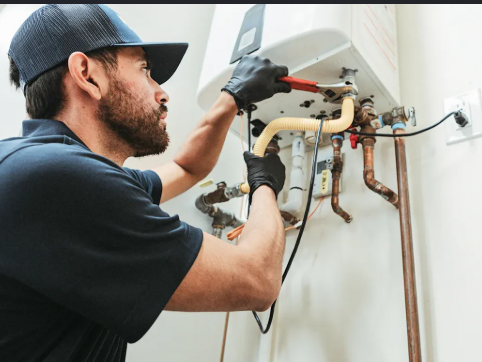
None of that is a weekend project. An April 2026 refresher from the Electrical Safety Foundation International states the standard plainly: new circuits and subpanels are licensed, permitted work, and a transfer switch is exactly that. Any electrical contractor Sarasota FL homeowners hire for this should walk the panel first, meter the loads you actually named, and test the switch under real conditions once the unit is in rather than trusting the sticker on the box. Ask what the sizing consultation covers before you ask what the equipment costs.
Questions Streamers Ask About Home Backup Power
Can I Plug A Generator Into A Wall Outlet?
No, and this is the one shortcut worth refusing outright. Sending power backward through a household outlet energizes wiring that was never designed to receive it, and it can put voltage on the utility line outside. Use an interlock kit or a transfer switch at the panel instead, installed by someone licensed to open it.
How Big A Generator Does A Home Office Need?
Add up what has to stay on, not what happens to be plugged in. A streaming PC, two monitors, networking gear and a few lights rarely clear 1,200 watts together, while a refrigerator adds a starting surge several times its running draw. Households that want the air handler included usually end up in the mid-teens of kilowatts, though that figure should come out of a load calculation instead of a guess.
Does A UPS Still Have A Place?
Yes, and it is the piece most people should keep. Even an automatic standby system takes several seconds to transfer, and a few seconds are enough to reboot a PC in the middle of a broadcast. The UPS covers the handoff, and the generator carries the rest of the afternoon.
Size The System To The Hours You Cannot Lose
Write down the hours you cannot lose, then list the circuits attached to them. That short list is the entire specification, and it is what separates equipment that works from a shelf of batteries bought in a panic on a Tuesday. An eight minute UPS is not a plan, it is the first ten percent of one. Get the load calculation done while the weather is calm, and the next ninety minute outage becomes an inconvenience instead of a lost workday.